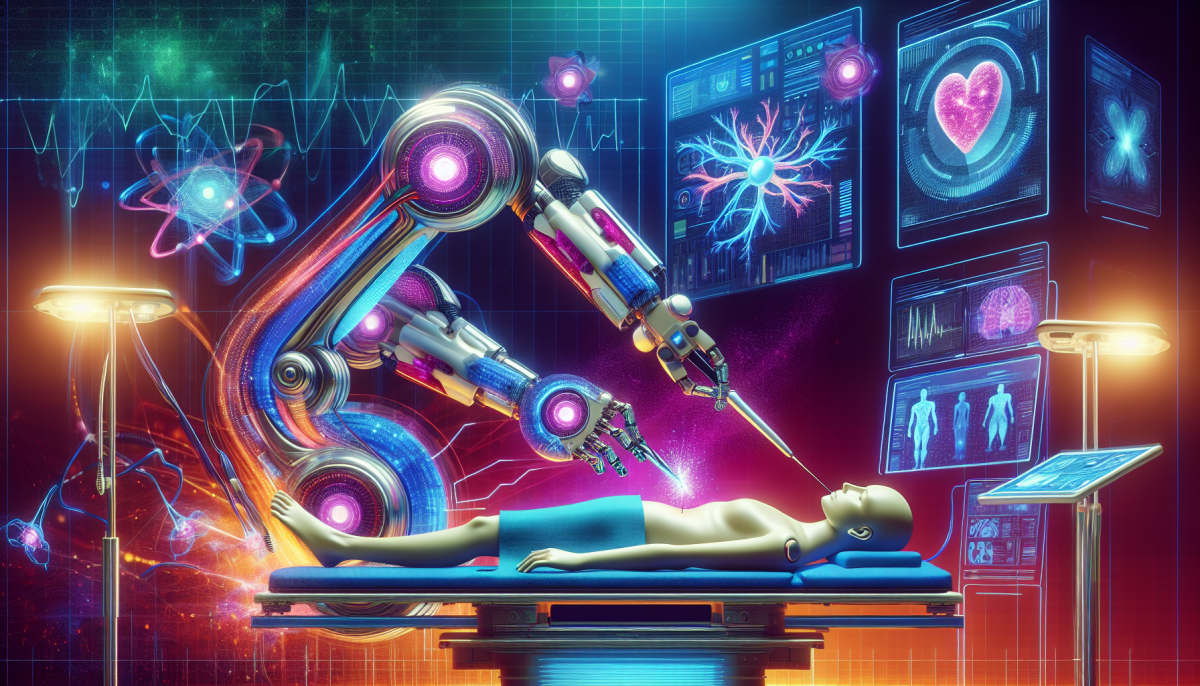
AI is shaking up the healthcare sector in some really exciting ways. Think about how we can diagnose diseases faster and more accurately. With AI algorithms, doctors can analyze symptoms and medical histories in a snap. These smart tools sift through tons of data, spotting patterns that might go unnoticed otherwise. That means earlier detection and better outcomes for patients. Who doesn’t want that?
Monitoring patients has gotten a huge boost thanks to AI too. Wearable devices track things like heart rates and activity levels, sending real-time data to healthcare providers. If something looks off, doctors can jump in before a little issue turns into a big problem. This kind of proactive care can make a huge difference in recovery times and overall health.
Don’t forget about personalized treatment plans! AI doesn’t just help with diagnosis; it also suggests customized treatment options tailored to each patient’s needs. This means no more one-size-fits-all solutions. Doctors can use AI insights to create plans based on a patient’s unique genetic makeup and lifestyle. It’s all about making healthcare feel more personal and effective.
And let's talk about the admin side. AI tools handle scheduling, billing, and paperwork, freeing up time for healthcare professionals to focus on what really matters: patient care. By minimizing the busywork, doctors and nurses can spend more time with their patients, boosting satisfaction for everyone involved. It’s a win-win!
Transforming Medical Diagnosis with AI
AI is seriously changing the game in medical diagnosis. Imagine having a technology that can analyze thousands of medical images in just seconds. That’s what AI does. It spots patterns that even the most trained eyes might miss, helping doctors make quicker and more accurate decisions.
Take radiology, for instance. AI tools can assist radiologists by highlighting potential issues on X-rays and MRIs. That means doctors can focus on what really matters. This tech doesn’t replace professionals; it enhances their skills. Patients benefit from faster diagnoses, which can lead to earlier treatments and better outcomes.
And let’s not forget about predictive analytics. AI can sift through tons of patient data to identify risk factors for diseases. This means that doctors can catch potential problems before they escalate. It’s like having a crystal ball that shows you which patients might need extra attention.
AI isn’t just about detection; it’s also about personalization. By analyzing a patient's data, these systems can suggest tailored treatment plans that consider the individual's unique medical history and needs. This personal touch can make a big difference in the healing process.
Enhancing Treatment Plans Using AI
AI is changing the way we create treatment plans in healthcare. Remember those times when doctors would just guess what might work for you? Well, now we have smart algorithms that analyze tons of data to pin down the best options. That means more personalized care and quicker recovery times.
Imagine a doctor having access to your personal medical history, along with the latest research and treatment outcomes. AI helps them sift through all that information efficiently. It spots patterns and suggests options tailored just for you. This isn’t just about crunching numbers—it's about finding the right treatment that fits your unique needs.
For instance, AI can help oncologists tailor cancer therapies by predicting how a patient's body will respond to certain medications. Instead of a one-size-fits-all approach, patients get customized plans that are based on their genetic makeup and other health factors. It’s like having a personal health coach in your corner!
Plus, with real-time data analysis, doctors can now adjust treatment plans on the fly. If something isn’t working, AI flags it right away. This means fewer trial-and-error episodes, saving you time, money, and probably a lot of stress.
The bottom line? AI is not just a tool; it's becoming an invaluable partner for healthcare providers. It's making treatment plans smarter, faster, and way more effective. When it comes to your health, that's a big win!
Improving Efficiency in Healthcare Operations
Healthcare is always looking for ways to run smoother and smarter. AI technology is stepping up to the plate to help healthcare providers streamline their operations. Imagine a world where administrative tasks are minimized and doctors can focus more on patient care. Sounds great, right?
AI can help reduce time spent on paperwork by automating routine tasks. Scheduling appointments, managing patient records, and handling billing can all be done faster with AI. This means fewer headaches for staff and a quicker turnaround for patients. No one likes waiting around, and AI helps make those waiting times shorter.
Another huge plus is predictive analytics. AI can analyze patient data to spot trends and predict needs. This helps healthcare providers allocate resources more efficiently. If a hospital knows in advance that flu season is coming, they can prepare staff and supplies accordingly. This kind of foresight can save time, effort, and ultimately, lives.
AI also plays a big role in diagnostics. Machine learning can aid doctors in making diagnoses faster and with more accuracy. By analyzing symptoms and medical history, AI can suggest possible conditions. This means quicker treatment plans and happier patients who feel valued and taken care of.